
- Regular Price
- Rs. 19.99
- Sale Price
- Rs. 19.99
- Regular Price
- Rs. 19.99
Sold Out
- Unit Price
- per
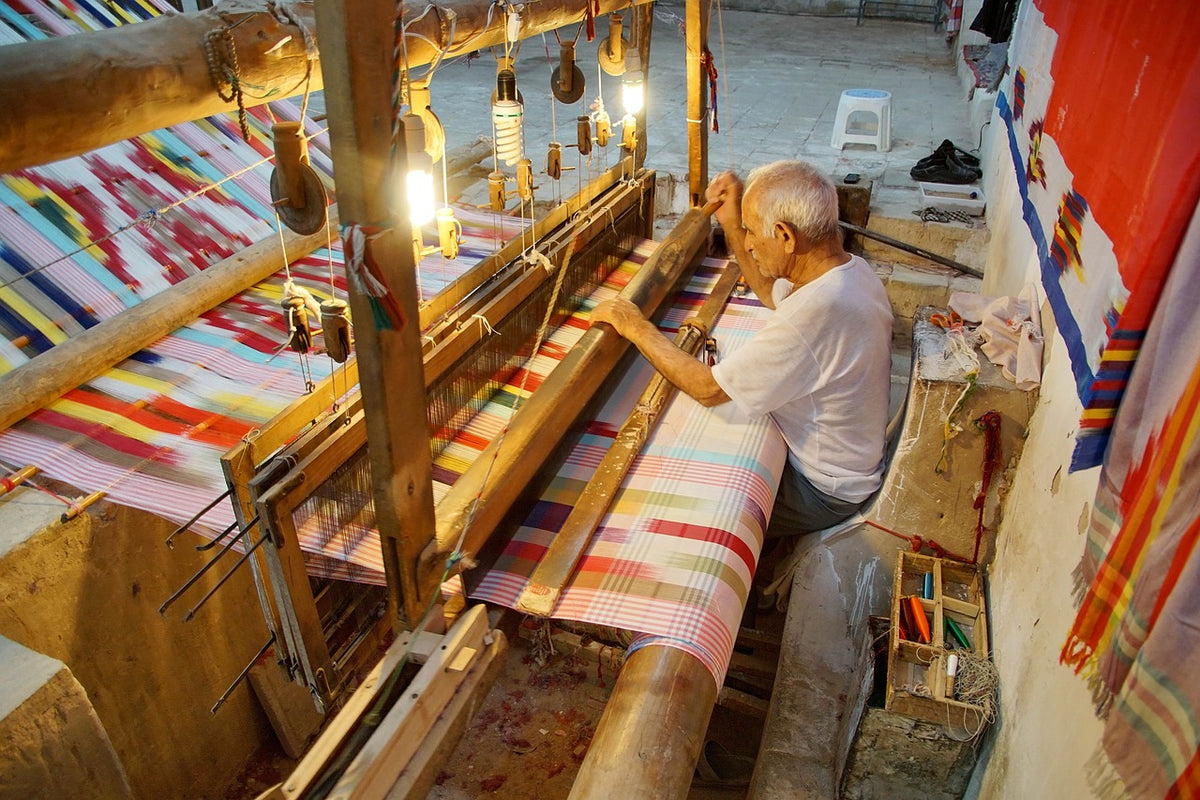
In the realm of Indian ethnic fashion, the resurgence of handloom has sparked a revival of tradition and a celebration of heritage. Handloom textiles, with their timeless charm and artisanal craftsmanship, have become a symbol of sustainable fashion and a way to preserve India's rich cultural legacy. In this blog post, "Reviving Tradition: The Resurgence of Handloom in Indian Ethnic Fashion," we delve into the significance of handloom, its journey through history, and its current renaissance in the fashion industry.
The Legacy of Handloom
Handloom weaving has been an integral part of India's textile heritage for centuries. Passed down through generations, this ancient craft has stood the test of time, embodying the skill and artistry of local weavers. Explore the regional variations of handloom, from Banarasi silk and Chanderi cotton to Kanjivaram silk and Jamdani, each with its distinct characteristics and weaving techniques.
Sustainable Fashion
As the world shifts towards sustainability, handloom has emerged as a champion of ethical and eco-friendly fashion. Handloom textiles are created using natural fibers, dyed with organic colours, and woven on traditional looms, reducing the carbon footprint of the fashion industry. Discover how embracing handloom supports local artisans, promotes fair trade practices, and fosters a more sustainable fashion ecosystem.
Exquisite Craftsmanship
Handloom fabrics are a testament to the skill and dedication of the weavers who meticulously create them. The intricate designs, vibrant colours, and delicate patterns woven into each piece reflect the artisan's artistry and attention to detail. Gain insight into the complex weaving techniques, such as Jamdani, Ikkat, and Patola, that make handloom fabrics truly remarkable.
Cultural Identity
Handloom textiles are deeply intertwined with India's cultural identity, representing the traditions and customs of different regions. The motifs, patterns, and colours embedded in handloom fabrics often carry stories and symbolism passed down through generations. Explore the cultural significance behind motifs like paisleys, temple borders, and floral designs, and appreciate the artistry that keeps these traditions alive.
Contemporary Adaptations
While rooted in tradition, handloom has seamlessly adapted to contemporary fashion trends. Designers are incorporating handloom fabrics into modern silhouettes, creating fusion ensembles that blend traditional craftsmanship with contemporary aesthetics. Witness the versatility of handloom as it finds its place in sarees, lehengas, kurtas, and even western wear, offering a unique blend of heritage and style.
Fashion as Social Impact:
The resurgence of handloom has brought about positive social change by empowering marginalised weaver communities. Organisations and initiatives are working towards preserving and promoting handloom, providing training, education, and fair trade opportunities to weavers. Discover the social impact of supporting handloom, as your fashion choices become a catalyst for change.
Handloom's resurgence in Indian ethnic fashion signifies a return to tradition, sustainability, and the appreciation of artisanal craftsmanship. The enchanting textiles woven by skilled weavers reflect the country's cultural diversity and heritage. Embrace the revival of handloom, celebrate the weaver's artistry, and make a conscious choice to support a fashion movement that embraces tradition, sustains livelihoods, and preserves the cultural legacy of India's handloom heritage.
1 comment
This blog beautifully captures the essence of handloom textiles in Indian ethnic fashion. Handloom is indeed a timeless treasure, preserving culture and embracing sustainability. A true celebration of heritage!